


Nova Parallels Desktop For Mac And Vmware Fusion
Top ZDNET Reviews. 8.0 SEE: You can also view a list of all apps that are installed on a VM, and select an app -- such as the Edge browser -- in order to launch the VM with that app already running. And, like Parallels Desktop, Fusion 11 can assign Windows application commands and menu options to the Touch Bar on the latest MacBook Pro laptops. Fusion 11 running multiple VMs. Image: VMware Conclusions Even if Fusion isn't as slick as its arch-rival, its greatest appeal for enterprise users may lie in its compatibility with VMware's wider technology portfolio. Fusion 11 can run and share VMs created with other VMware products, such as Workstation Pro for Windows, and supports the latest version of VMware's REST API for developers. Simply accounting 2010 for mac. Fusion Pro also provides the ability to connect to vSphere and Workstation servers, as well as more secure encryption when sharing VMs across an organisation.
That's not typical; the target of both platforms is Windows users. While both do an admirable job of running Linux, their most impressive features are aimed at Windows users. If you're someone who needs to run one or two Windows applications all the time, you'll be a big fan of the way these platforms integrate the Windows and Mac experience. Coherence, in Parallels, and Unity, in Fusion, let Windows application windows run inside the native Mac Desktop -- hiding the Windows Desktop in the process.
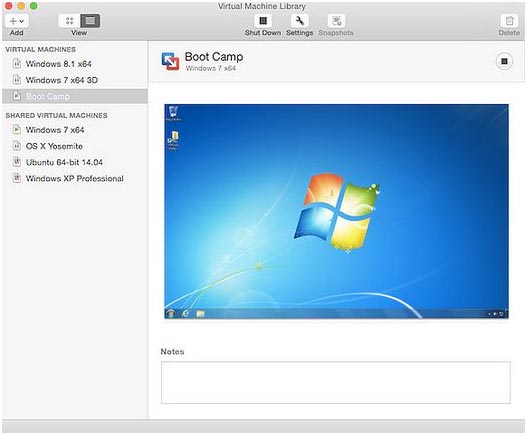
Nova Parallels Desktop For Mac And Vmware Fusion 8
There's almost nothing to do. You enable the printer and print. Fusion uses the drivers already installed in OS X to do the work. In Parallels Desktop, on the other hand, the printer shows up as a parallel port. You then have to go through the usual process of finding a driver that matches the printer, installing one if it isn't available, then setting up the printer. In short, Parallels does too good a job of preserving the true Windows experience.